3000 Bells Road, Richmond VA 23234 | M-F: 7am-5pm, Sat: 7am-12pm
We Recycle: Aluminum - Appliances - Brass - Copper - Electronics - Steel - Wiring - And More!
The $5 Pocket Tool That Protects Your Scrap Payout

To Strip or Not to Strip? The Real Math Behind Insulated Copper Wire
September 23, 2026
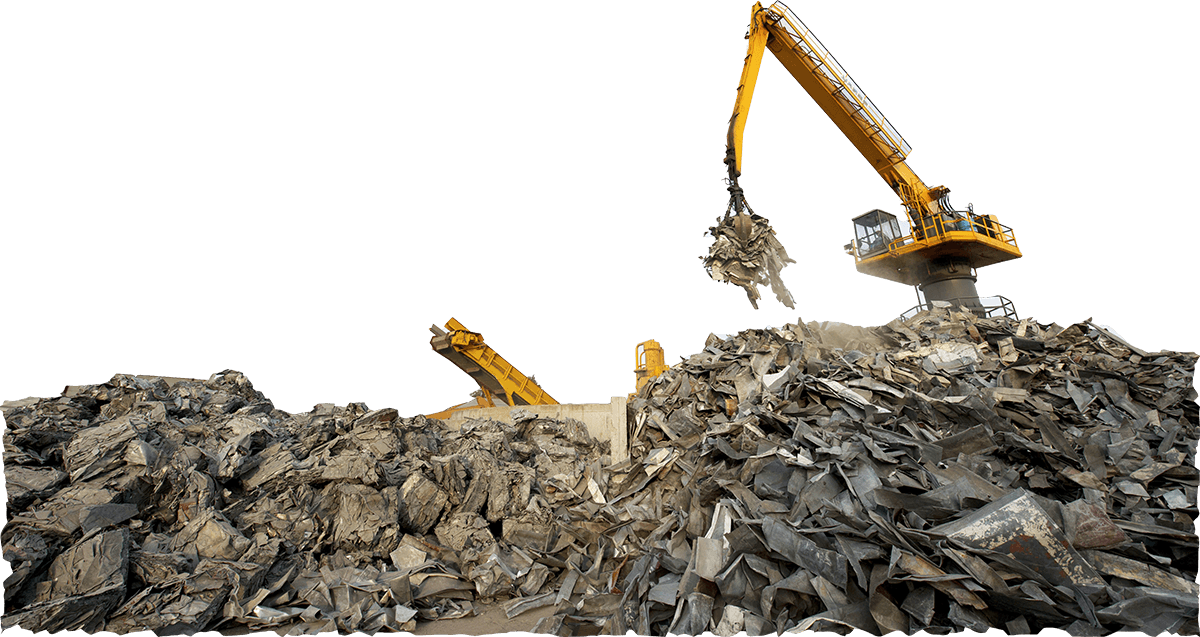
Ask any seasoned scrapper or contractor what tool saves them the most money on the job, and you might be surprised by the answer. It’s not a fancy cordless saw or a big hydraulic shear. It’s a simple five-dollar pocket magnet.
Here at Smith Iron & Metal, we see it all the time. Loads come across our Bells Road scales with hundreds of dollars’ worth of valuable non-ferrous metal mixed in with regular steel. Just tossing everything into one bin can mean your best metals get downgraded and you miss out on the payout you deserve.
The easiest way to make sure you get paid what you’ve earned is to know the difference between ferrous and non-ferrous metals. Take a minute to check your materials before you load up the truck, and you’ll see the difference right at the register.
The Fundamental Rule: Stick vs. Slide
Scrap metal is divided into two main categories:
- Ferrous Metals (Contains Iron): Carbon steel, cast iron, sheet iron, rebar. A magnet will stick firmly to these. They make up the bulk of global scrap volume, but they pay out at a lower rate per pound.
- Non-Ferrous Metals (No Iron): Copper, brass, aluminum, lead, and most alloys. A magnet will not stick. These are the high-value metals that drive the bulk of your paycheck.
If you bring in a load with steel mixed in with your aluminum or brass, most yards will call it “dirty scrap” or “mixed iron.” That means you’ll get paid the lower light-iron price, even if you had high-value metals in the mix.
The Three Most Common Magnet “Gotchas”
Even the pros get tripped up by items that look like high-grade metal on the outside but have iron hiding underneath.
1. The Brass Valve with a Steel Handle
Plumbers often pull heavy yellow valves off commercial jobs. The main body is solid brass, but the handle, packing nut, or inside ball can be steel with a thin coating.
- What to do: Tap your magnet on the handle and stem. If it sticks, just back out the bolt and remove the steel handle. Leaving that little piece of steel on can turn a clean brass payout into a downgraded “dirty brass” ticket.
2. Stainless Steel vs. Common Steel
Stainless steel stands out because it resists rust, but not all stainless is the same. Some lower-grade types, like 400-series, will grab a magnet. The higher-grade commercial stuff, like 304 or 316, barely reacts to a magnet at all.
- What to do: Put a magnet on it. If it grips hard like a refrigerator door, it’s standard or low-grade steel. If it slides right off or has an almost imperceptible pull, keep it separate for a dedicated stainless steel grade.
3. Copper-Clad Aluminum or Steel Wire
Electricians and demo crews sometimes find wire or bus bars that look bright red or orange on the outside. Some of these are copper-clad steel, often used for grounding rods and tracer wire, or copper-clad aluminum.
- What to do: Touch the bare wire with your magnet. If it grabs, you’ve got copper-clad steel. If it doesn’t, snip the end. If the inside is silver, it’s aluminum with a copper skin. Keep these out of your pure #1 or #2 copper pile.
Quick Sorting Reference
|
Clean Copper Pipe & Wire
|
No Attraction | Cut off brass fittings, solder joints, or steel clamps. |
|
Brass Plumbing & Hardware
|
No Attraction | Remove steel screws, springs, and iron stems. |
|
Clean Sheet/Cast Aluminum
|
No Attraction | Unbolt steel brackets, hinges, or rivets. |
|
Structural Steel & Rebar
|
Strong Attraction | Keep in your heavy trailer bed; weigh over the main industrial scales. |
|
“Irony” / Mixed Assemblies
|
Moderate/Spotty Attraction | Group together as mixed scrap so they don’t downgrade your clean bins. |
Accurate Grading Backed by 86 Years of Trust
Taking a few extra minutes to sort your scrap in the shop pays off right at the register.
At Smith Iron & Metal, we’ve been Richmond’s trusted metal experts since 1940. Our experienced grading crew uses high-precision industrial scales to make sure every bin of clean brass, copper, or aluminum gets graded right, down to the last pound.
Bring in your sorted scrap, roll across our dual-scale system, and head home with cash in your pocket.
Daily Pricing Hotline: (804) 271-1239
Yard Location: 3000 Bells Road, Richmond, VA