
3000 Bells Road, Richmond VA 23234 | M-F: 7am-5pm, Sat: 7am-12pm
We Recycle: Aluminum - Appliances - Brass - Copper - Electronics - Steel - Wiring - And More!
To Strip or Not to Strip? The Real Math Behind Insulated Copper Wire

How to Maximize Your Payout on Scrap AC Units: An HVAC Tech’s Guide
August 27, 2026
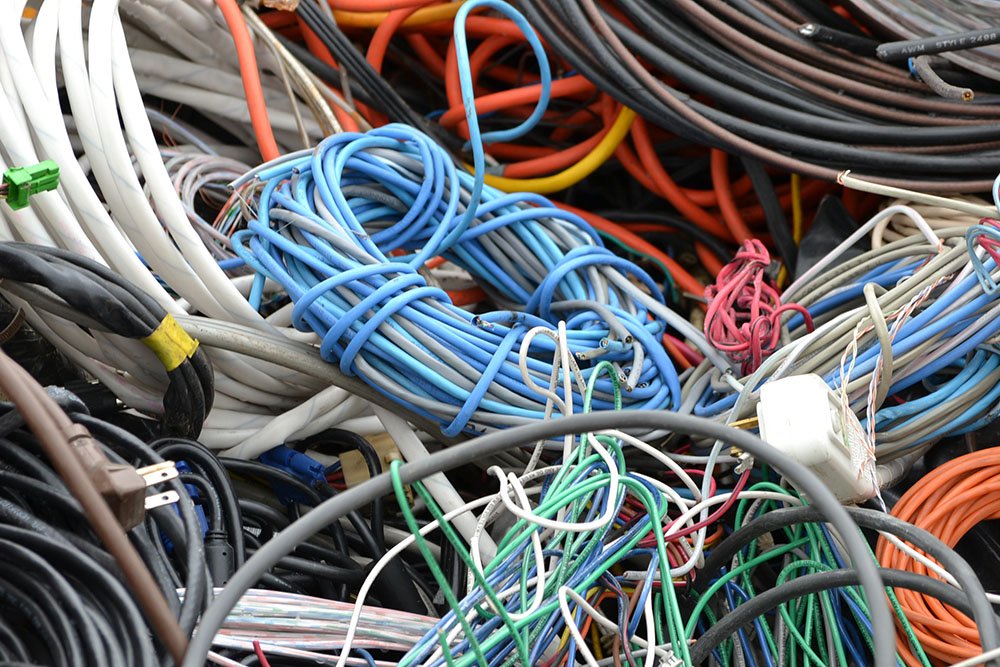
Ask five electricians or contractors whether it’s worth stripping insulated wire before bringing it to the scrap yard, and you’ll get five different answers. Some swear by stripping every foot of copper they touch; others say the labor burns up any extra profit.
At Smith Iron & Metal, we’ve handled wire from every major job site in Richmond since 1940. The truth is, whether stripping is worth your time comes down to one simple factor: wire gauge and recovery rate.
Understanding “Recovery Rate”
Insulated wire is priced based on its recovery percentage—meaning how much pure copper weight is left once the plastic jacket is removed.
-
High-Recovery Wire (75%–85% copper): Heavy industrial cable, 250 MCM, 4/0 feeder wire, and thick THHN.
-
Mid-Recovery Wire (50%–60% copper): Standard #12 and #10 household wire (like Romex).
-
Low-Recovery Wire (30%–40% copper): Extension cords, appliance wire, and small patch cables.
When to Strip (And When to Leave It Alone)
1. Heavy Industrial & Large Gauge Wire: STRIP IT
If you’re pulling thick cable (#2 gauge or larger), stripping is a no-brainer. The insulation on thick feeder wire comes off easily with a basic utility knife or box cutter. Because the copper core is dense, stripping a single 50-foot run of 4/0 wire can add significant value to your payout for just a few minutes of effort.
2. Thin Gauge & Romex: LEAVE IT INSULATED
Stripping 100 feet of #14 Romex requires splitting the outer jacket, pulling three individual strands, and stripping each strand down to bare copper. Unless you own an automatic commercial wire stripper, you’ll spend two hours of manual labor to make an extra $10 to $15. Your time is worth more on the job site.
3. Sun-Baked or Damaged Wire: LEAVE IT INSULATED
Old, brittle, or sun-cured insulation often tears into small pieces instead of peeling cleanly. If you find yourself picking at plastic with pliers, stop and throw it in the insulated wire bin.
Quick Decision Cheat Sheet
| Wire Type | Action | Why? |
| Industrial Feeder (4/0, 250 MCM+) | Strip It | High copper yield per foot; quick to strip. |
| Clean THHN (#2 to #8) | Strip It (If using a machine) | Solid payout bump to Bare Bright status. |
| Romex (#10, #12, #14) | Bring As-Is | Labor time eats up the price difference. |
| Extension Cords & Harnesses | Bring As-Is | Low copper weight relative to jacket thickness. |
Get the Right Grade at SIM
Whether you bring in a box of unstripped Romex or a truckload of Bare Bright copper, getting paid fairly comes down to accurate grading.
A lot of yards use broad “catch-all” categories that lump high-recovery wire in with lower-value material. At SIM, we combine 86 years of grading experience with precision industrial scales. Our crew identifies your specific wire class instantly, so you get maximum credit for the copper you bring in.
Got a load of wire from a recent demo or panel upgrade? Give us a call for today’s current copper rates:
Daily Pricing Hotline: (804) 271-1239
Yard Location: 3000 Bells Road, Richmond, VA


